Ctrl+K
NEXUS Documentation
  • Overview

Getting started

  • Quickstart
  • Installation

Workflow

  • Data preparation
  • Standalone adaptation
  • Training
  • Playback & export

Resources

  • Motion examples
  • Pretrained model

Reference

  • Motion format
  • Terrains
  • Configuration
  • Symmetry

NEXUS

On this page

  • Build with NEXUS
  • Resources
  • Method

NEXUS#

NEXUS

Perceptive
whole-body control.

Terrain-adaptive teleoperation for humanoid robots.

Quickstart → Pretrained model →

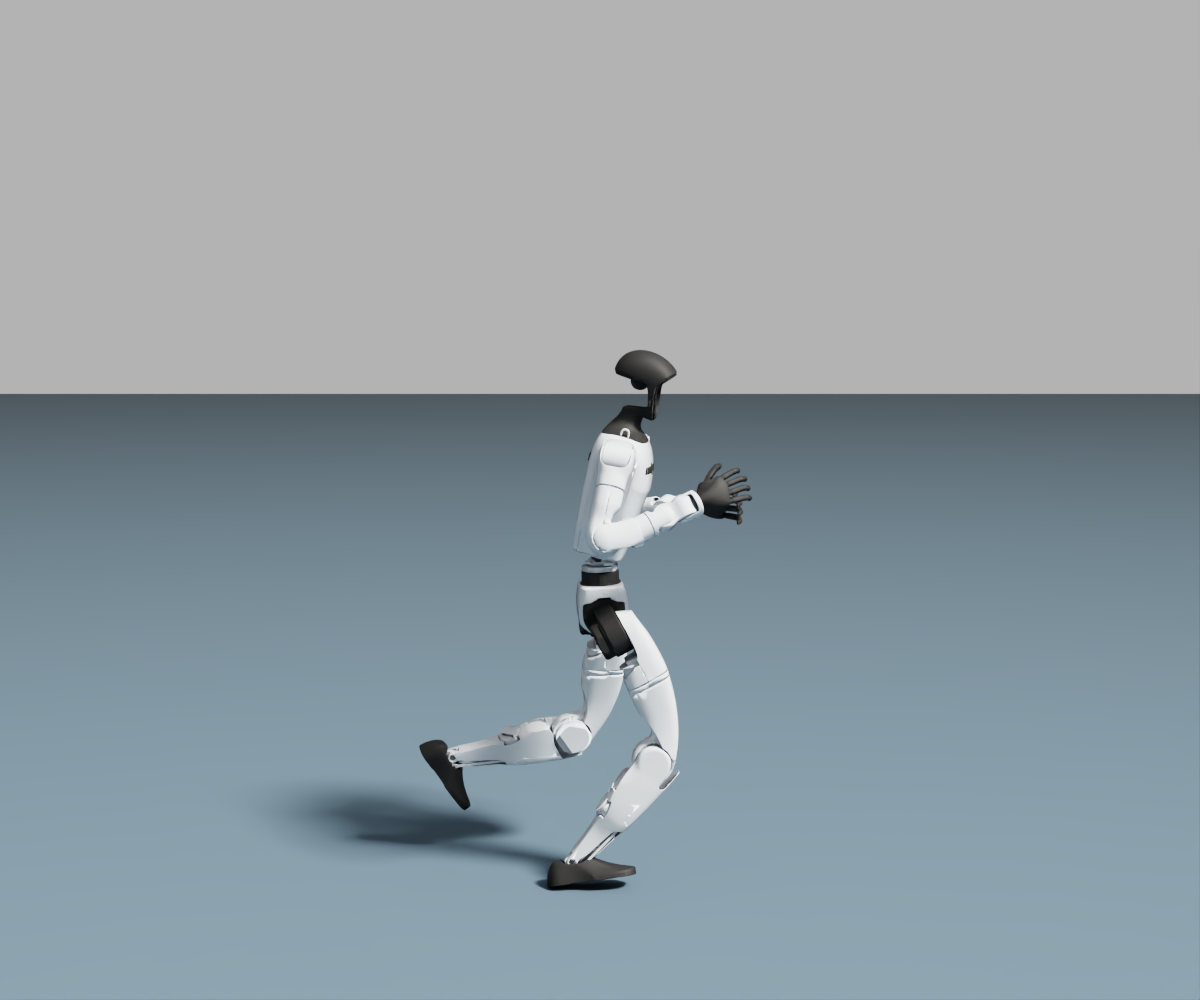
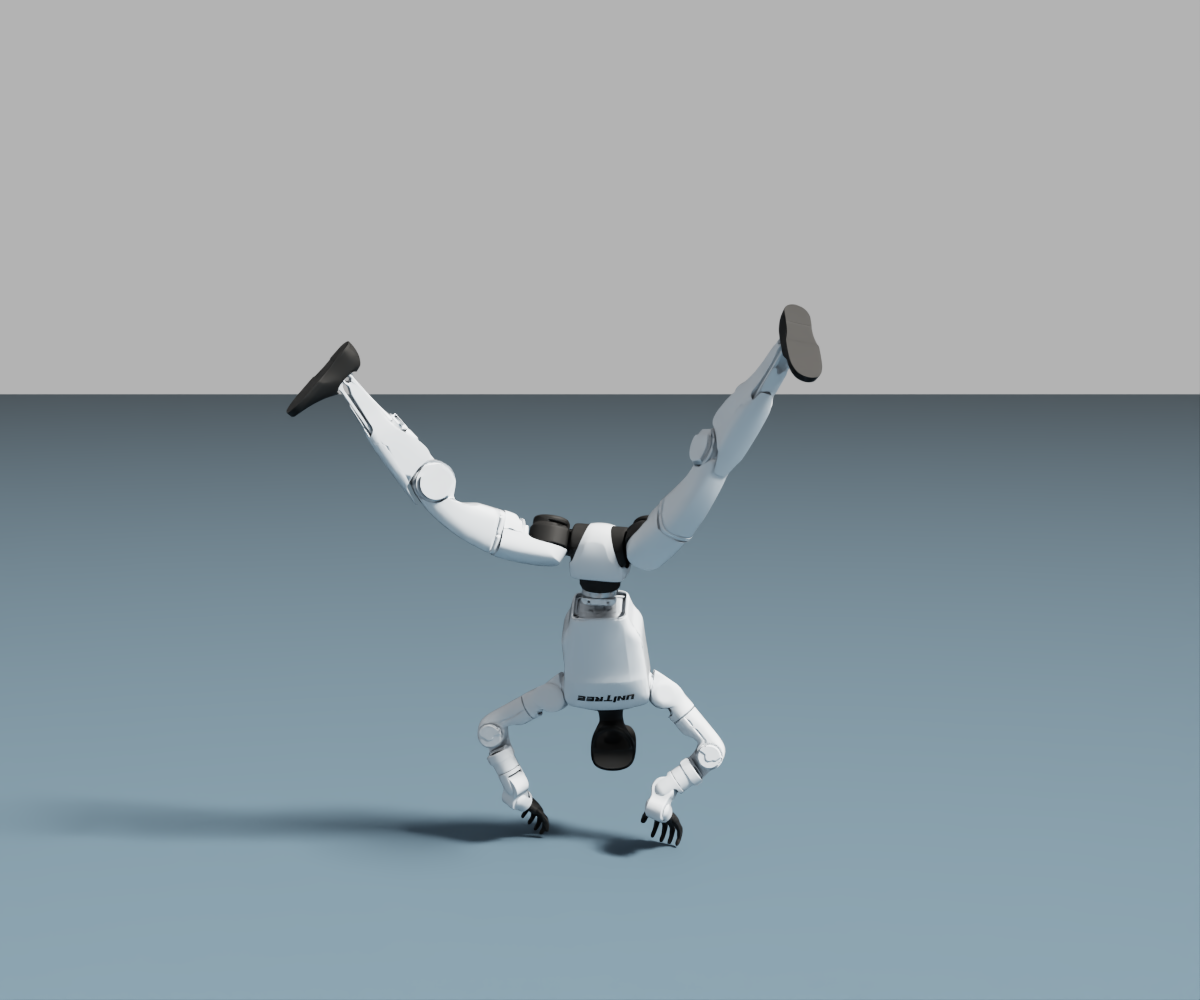
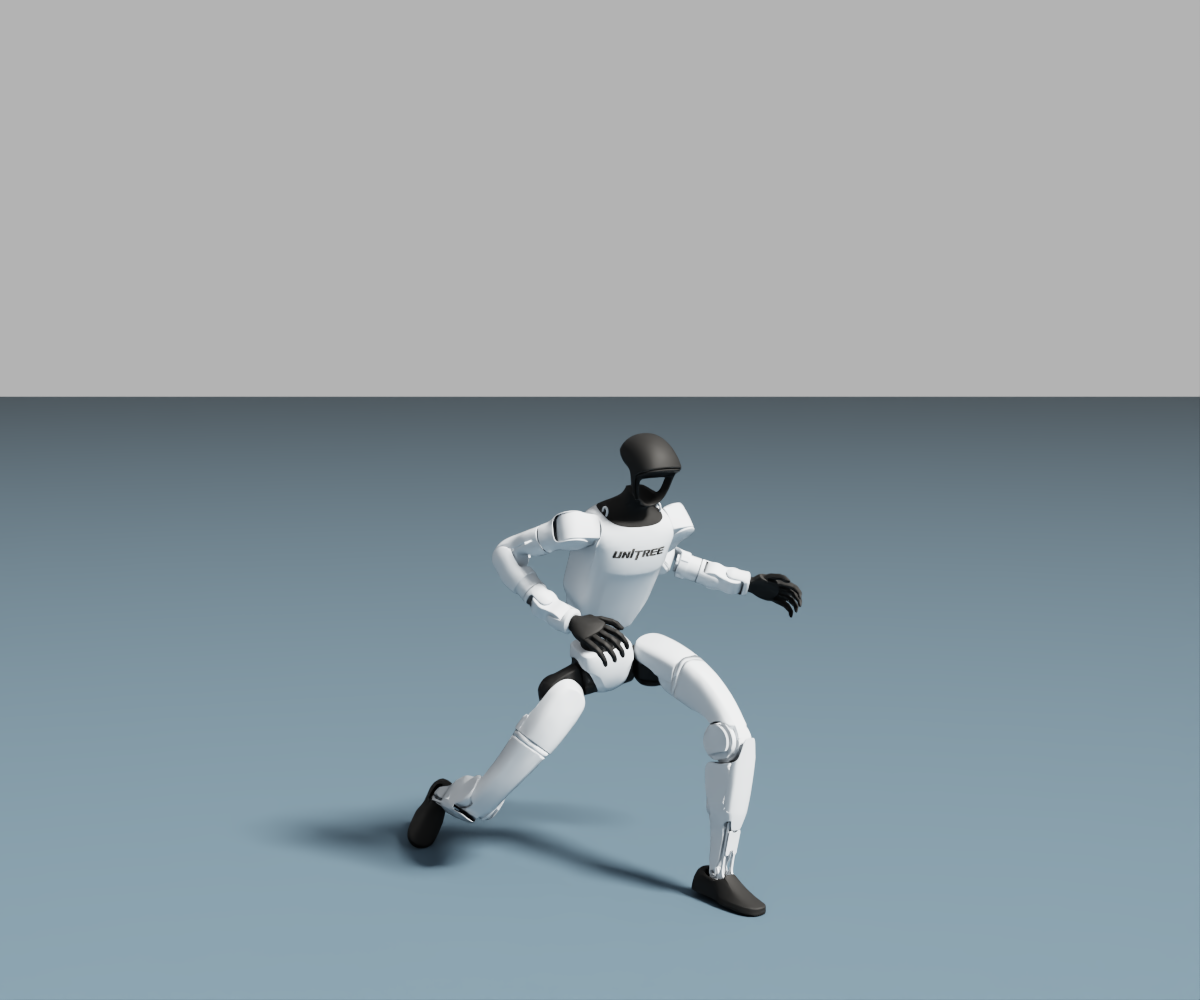
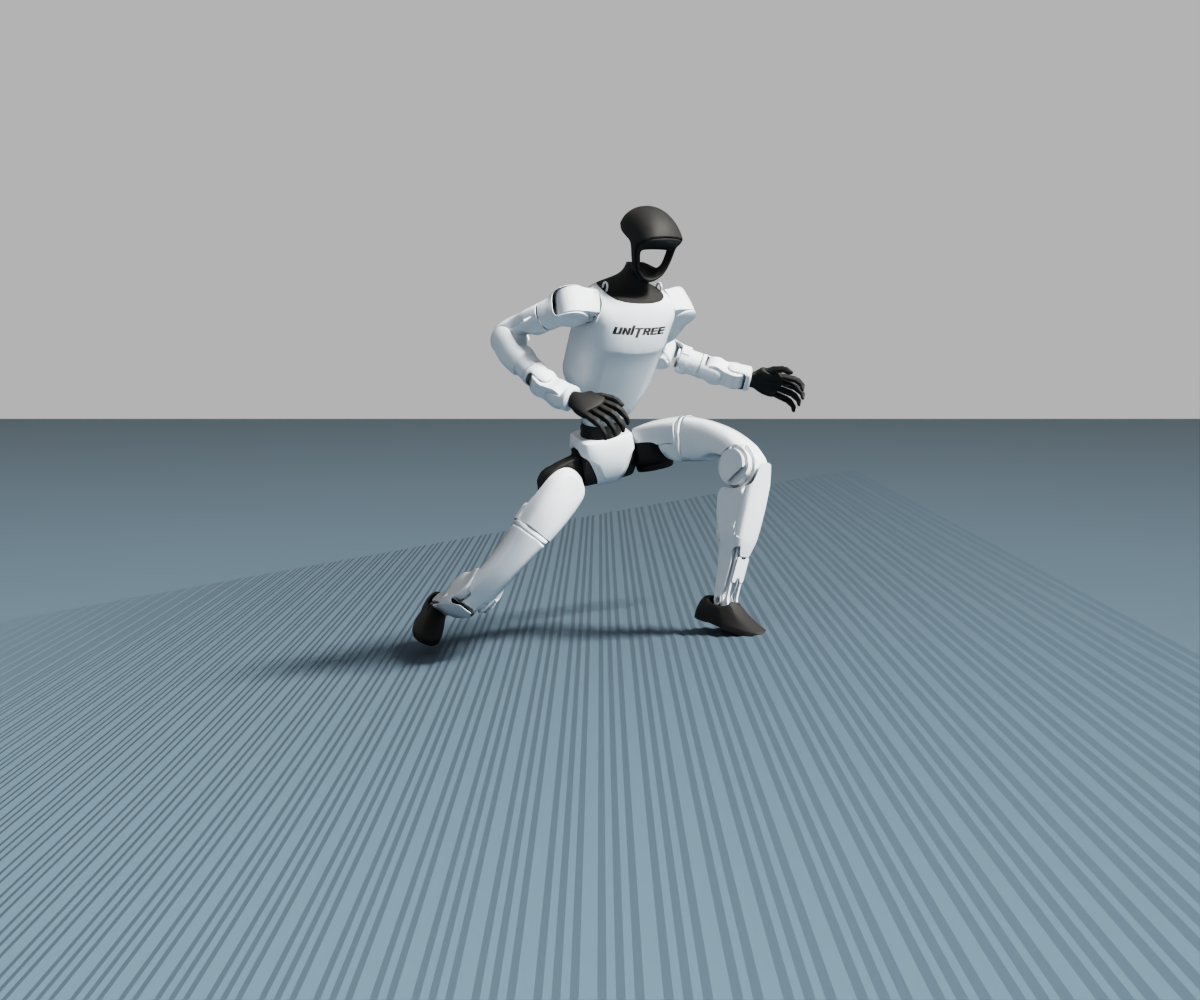
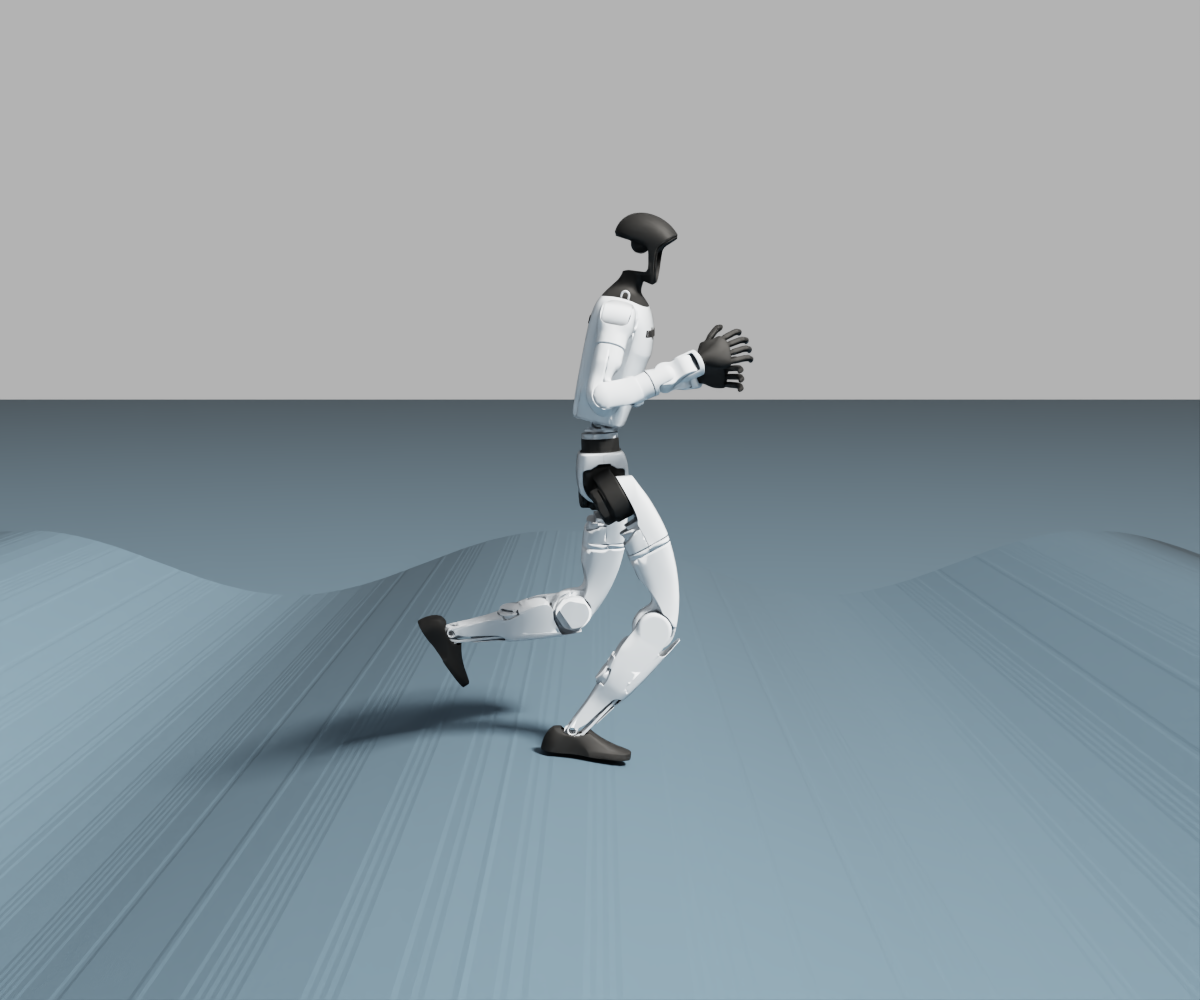
Flat

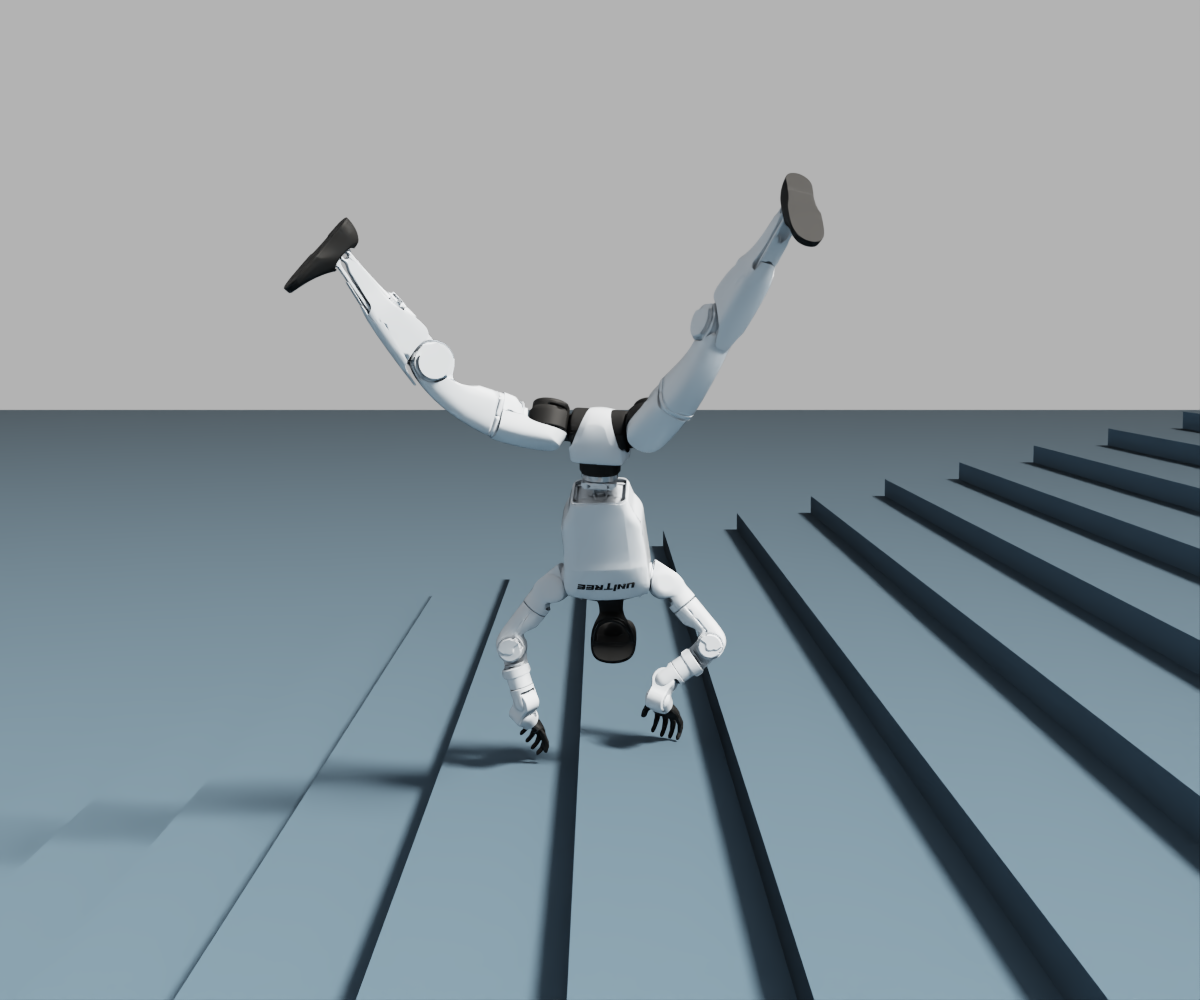
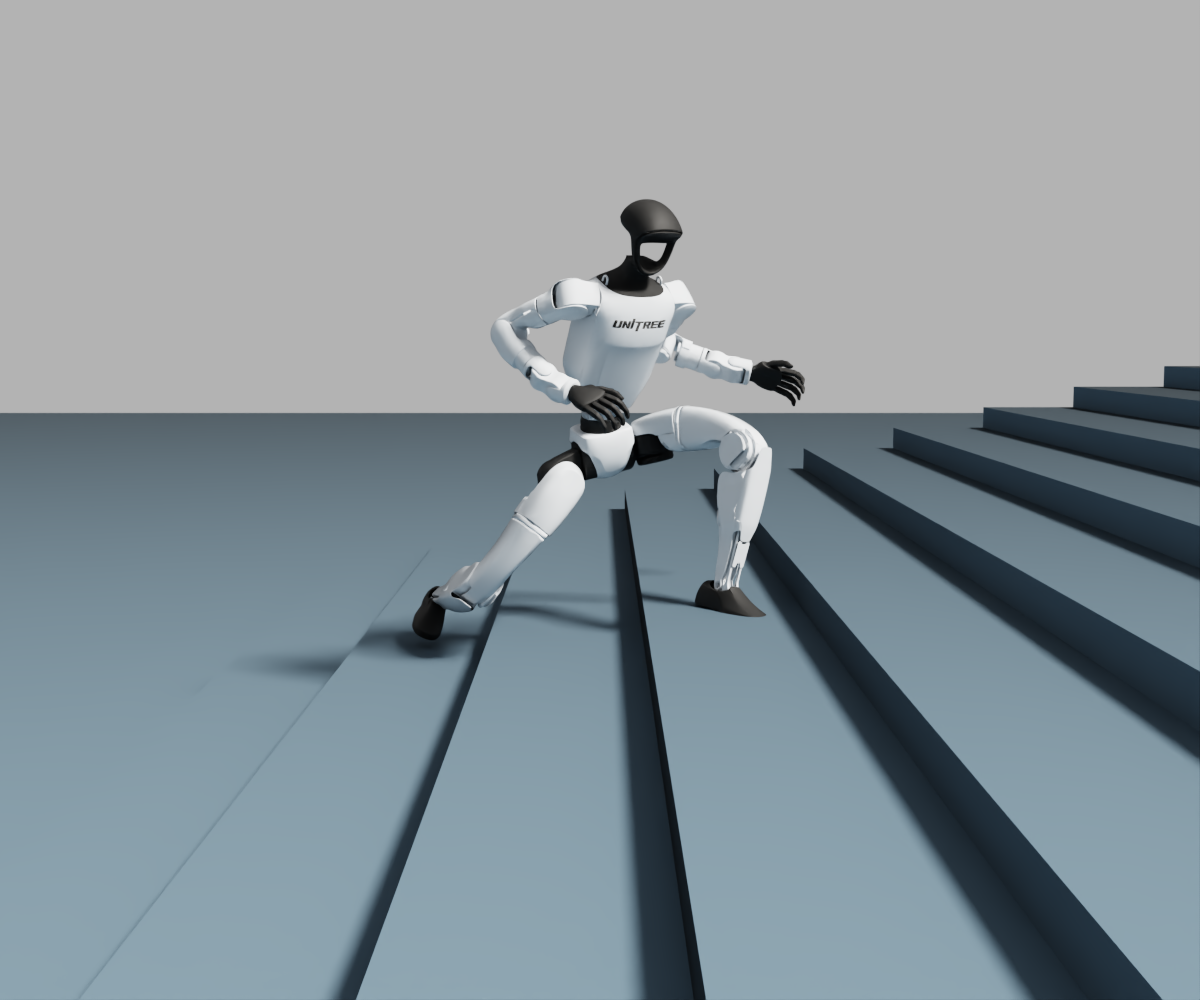
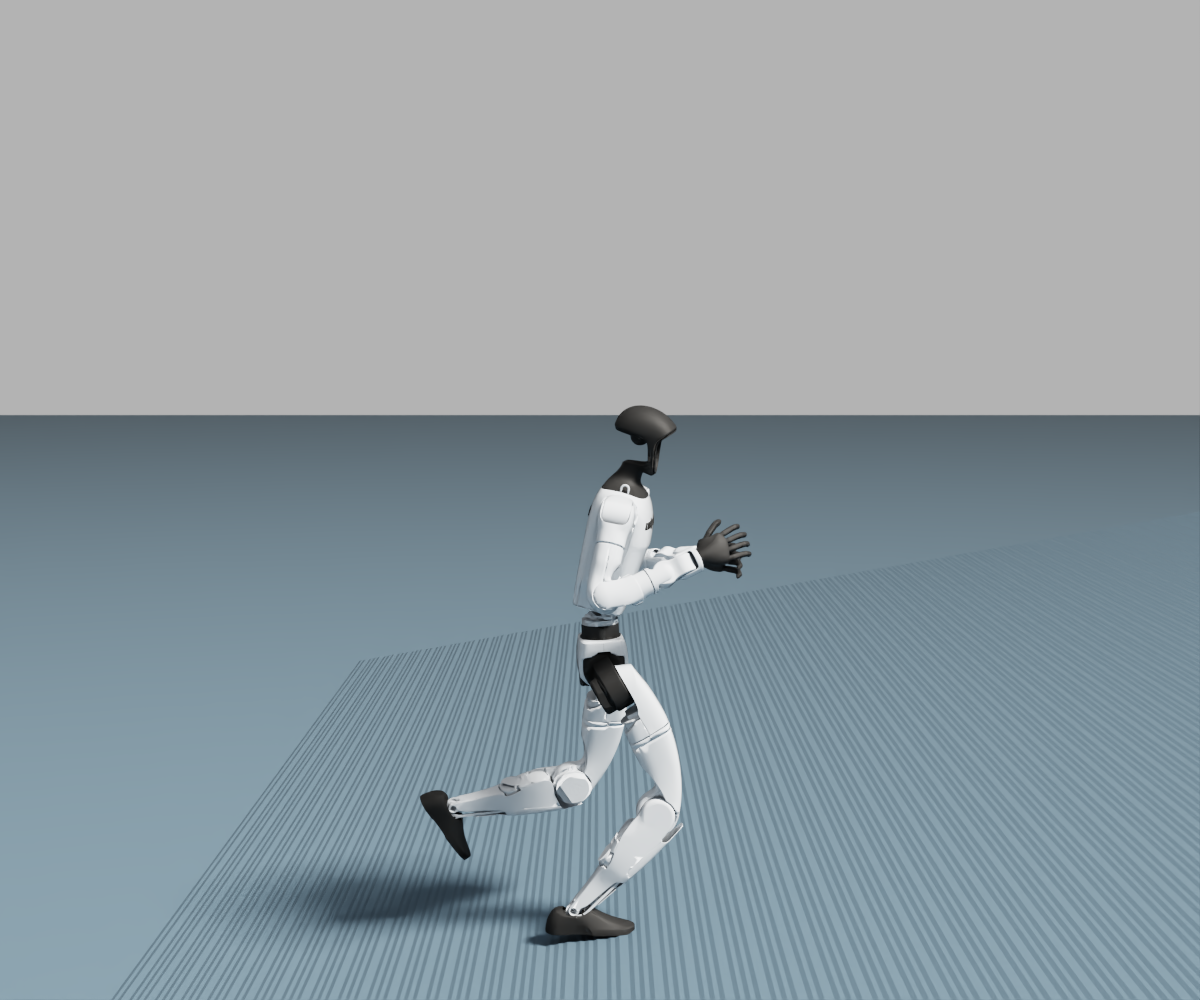
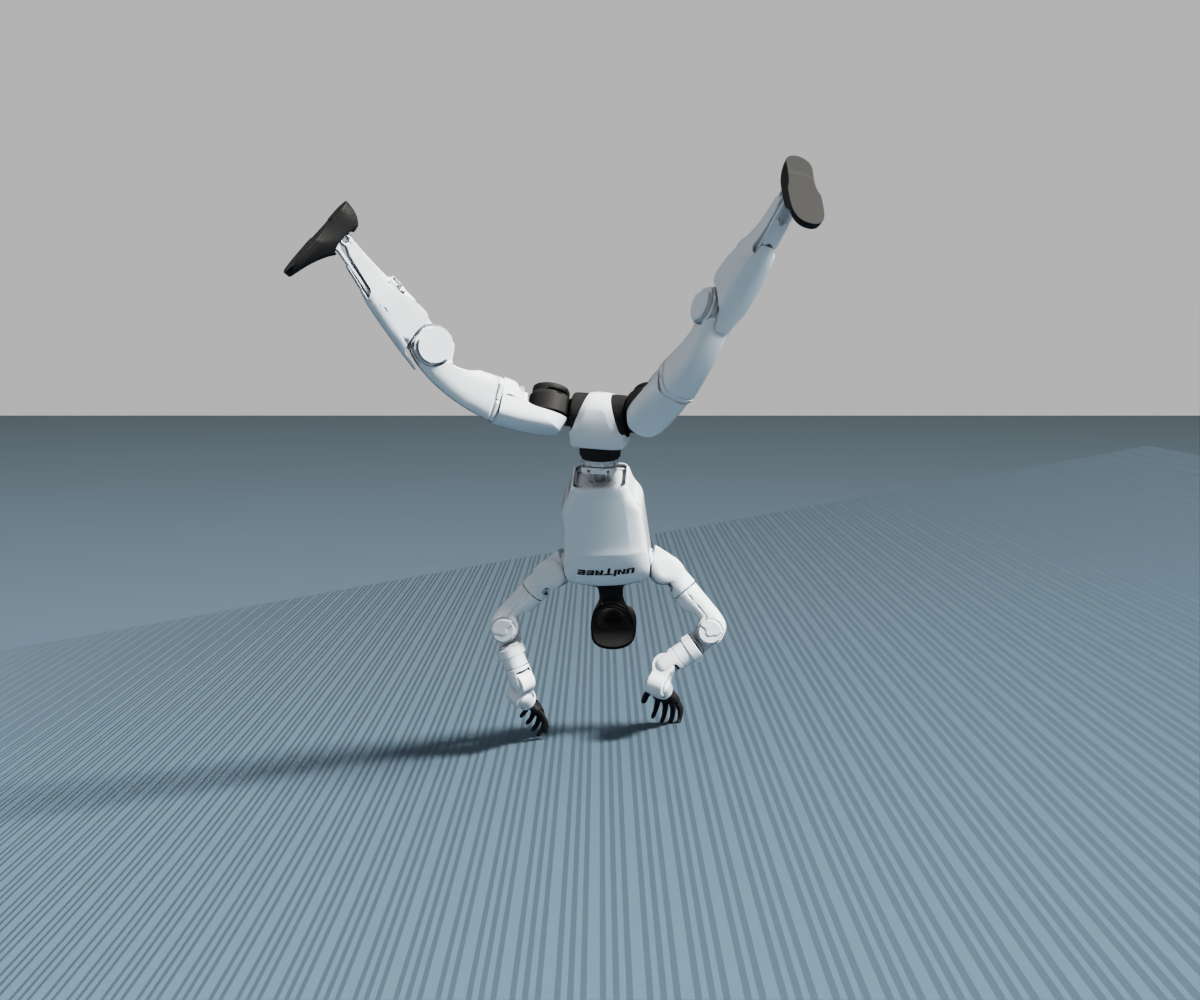
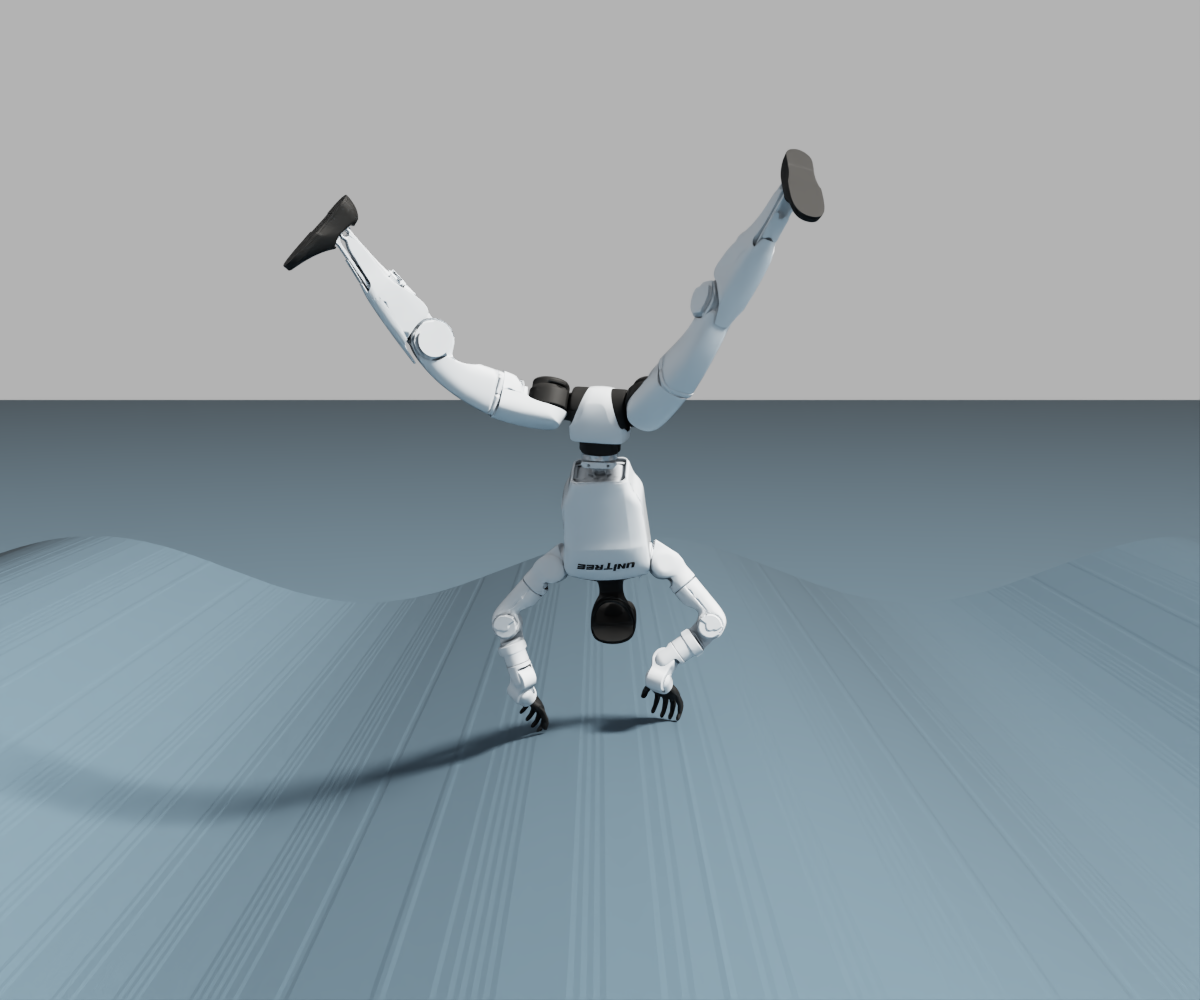
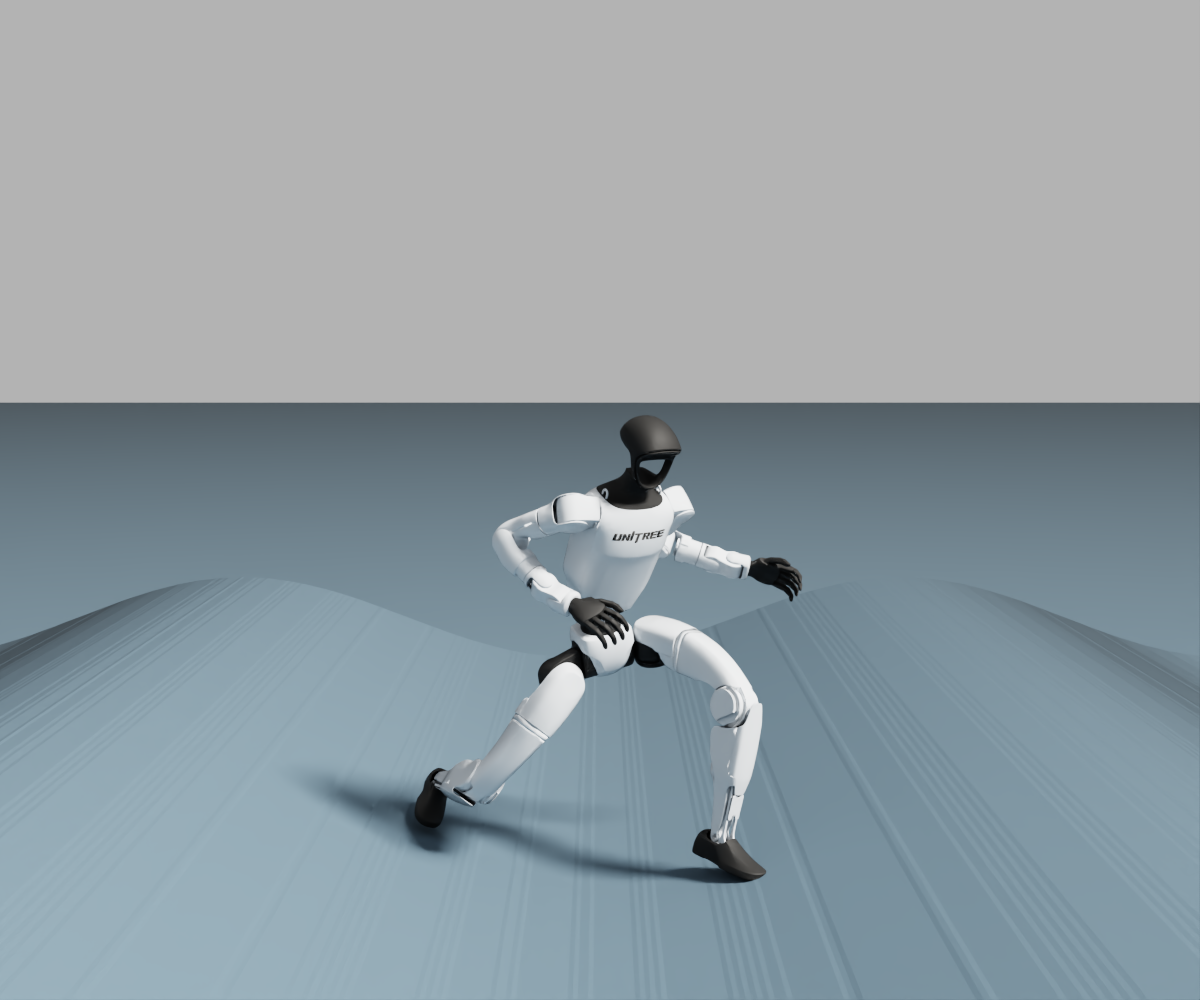
G1 mid-stride on flat ground. G1 in an inverted hand-support pose on flat ground. G1 in a wide lunge on flat ground.

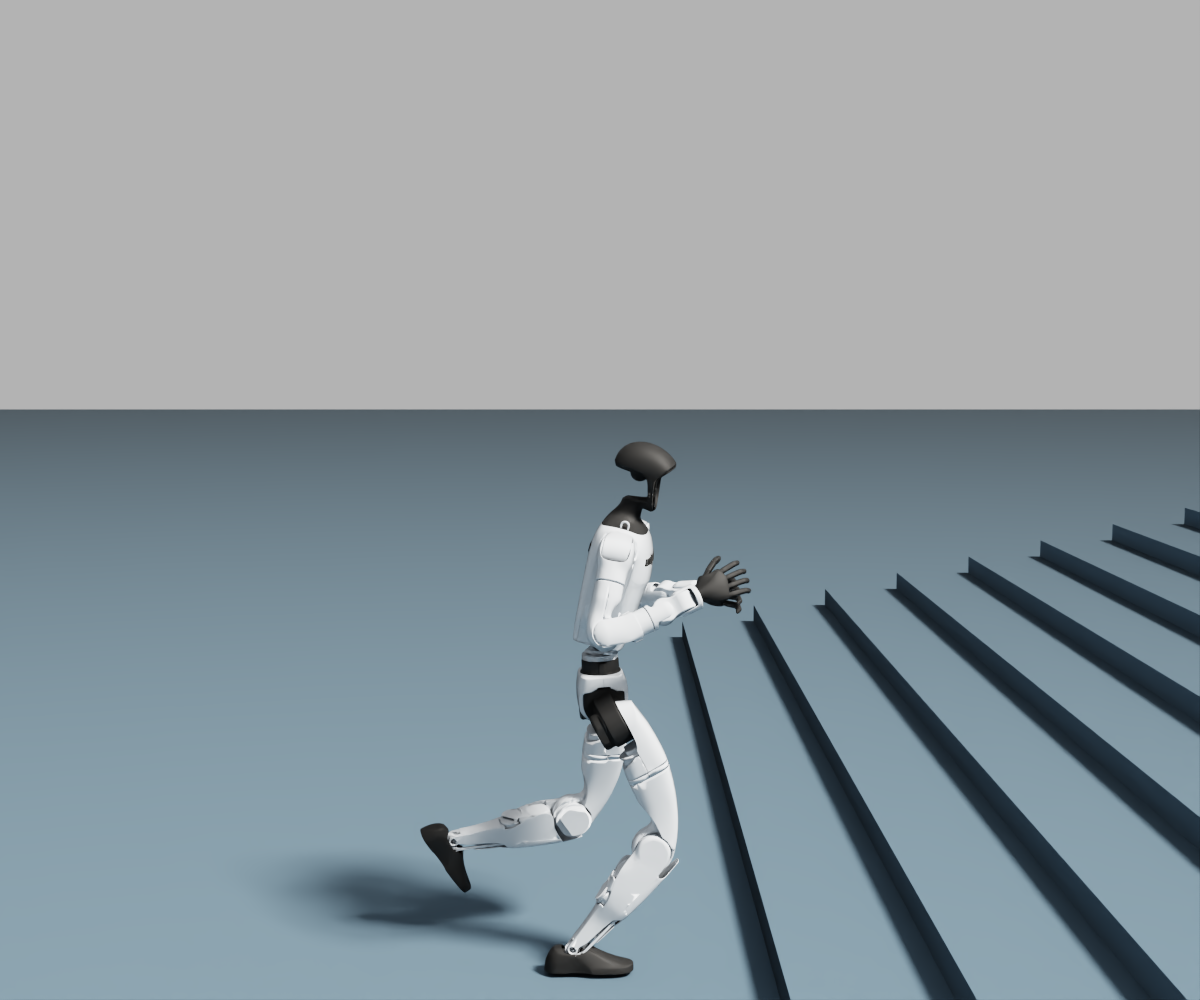
Stairs

The corresponding stride adapted to stairs. The corresponding inverted pose adapted to stairs. The corresponding lunge adapted to stairs.

Slope

The corresponding stride adapted to a slope. The corresponding inverted pose adapted to a slope. The corresponding lunge adapted to a slope.

Wave

The corresponding stride adapted to wavy terrain. The corresponding inverted pose adapted to wavy terrain. The corresponding lunge adapted to wavy terrain.
Motion adaptation across terrains.

Build with NEXUS#

01 / ADAPT

Prepare your motions

Adapt robot motions to slopes and stairs, then pack your training dataset.

Data preparation →
02 / TRAIN

Learn perceptive control

Train a privileged teacher, then distill a perceptive student with depth observations.

Training →
03 / EVALUATE

Run your policy

Run a trained policy in simulation and export its model or scene.

Playback & export →

Resources#

PRETRAINED MODEL

Perceptive behavior foundation model

G1 policy in ONNX format, with the joint, observation and control settings.

Model & downloads →
MOTION EXAMPLES

Terrain adaptation results

Replay optimized motions and inspect their contact with the terrain.

View examples →
STANDALONE ADAPTATION

Standalone adaptation

Optimize robot motions on CPU with the standalone package.

Standalone guide →

Method#

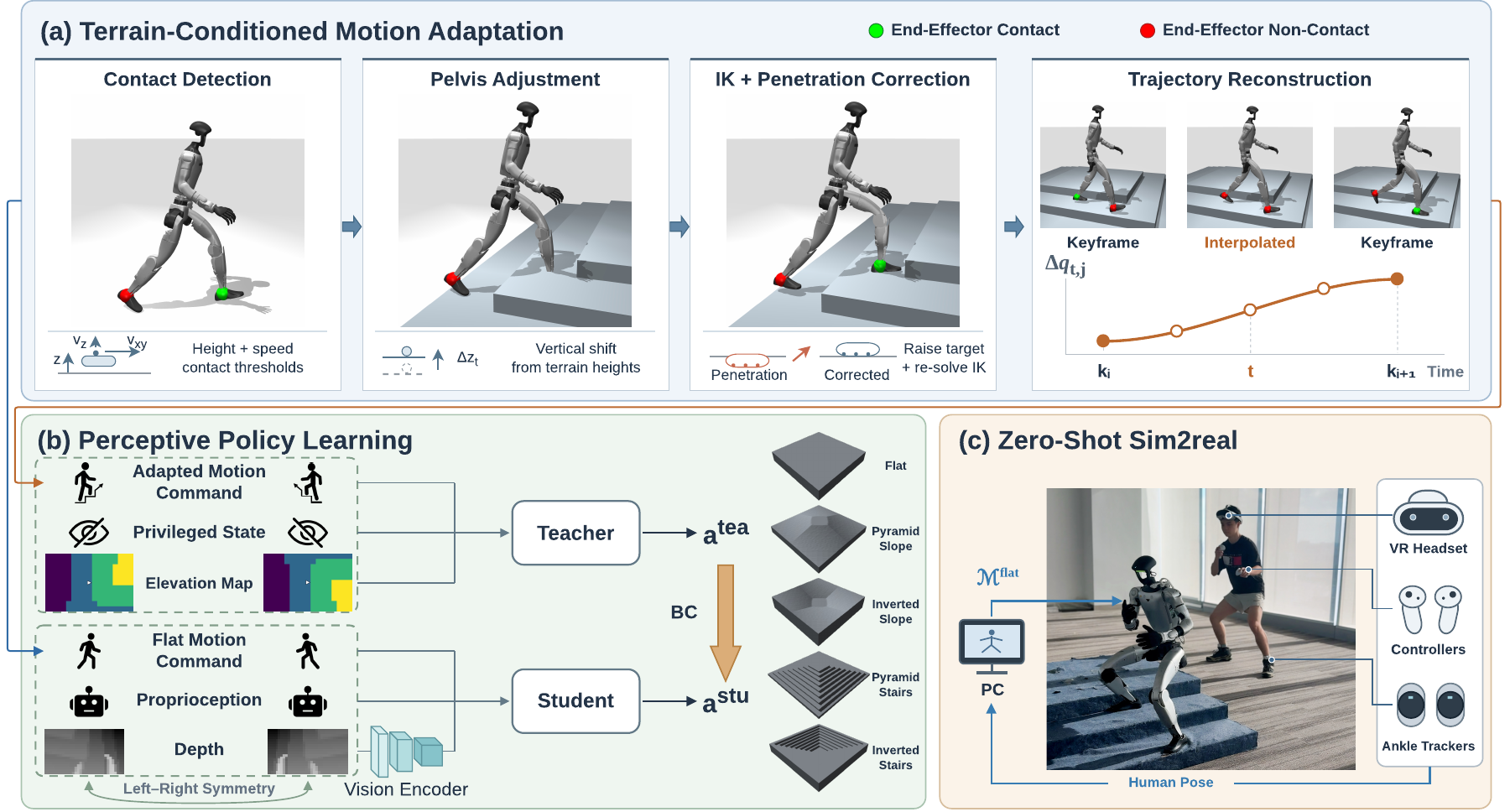
NEXUS pipeline: contact-guided terrain adaptation, privileged teacher training, perceptive student distillation and robot-side control.

Method overview from the paper. These guides cover terrain adaptation and policy learning.#

The supplied configuration uses the 29-joint Unitree G1. See the motion format for robot reference inputs and terrain configuration for the shared scene.

next

Quickstart

By Xiangyu Miao